


What Is the Best PMU Machine? Here’s What Artists Should Actually Look For

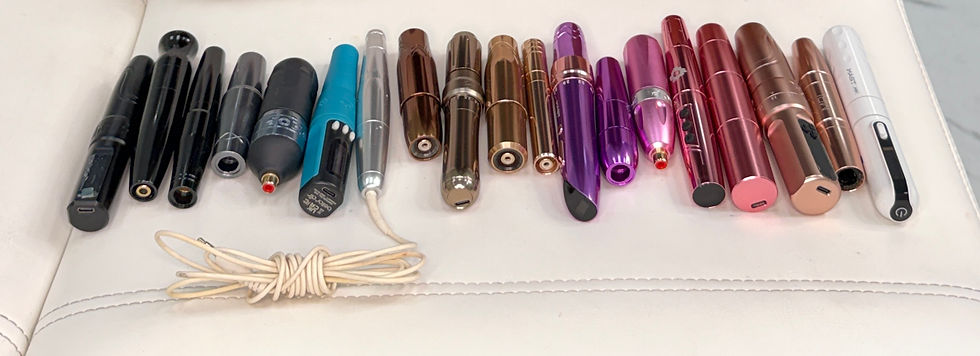
If you have been asking what the best PMU machine is, you are asking the right question. Your machine affects how the service feels in your hand, how confidently you work, and how much control you have throughout the appointment. The best permanent makeup machine is not simply the one getting the most attention online. It is the one that helps you create strong work with consistency, precision, and intention.
That is where a lot of artists get stuck. They buy based on hype, aesthetics, or what everyone else seems to be using, then wonder why the machine does not feel right once real client work begins. A good PMU machine should help your technique feel more supported, not more complicated.
What is the best PMU machine?
The best PMU machine is the one that gives you control, stable performance, versatility, and a better ability to work intentionally across services. It should feel balanced in your hand, move smoothly, and support the kind of results you want to be known for.

That answer may sound simple, but it matters because artists often ask for the best machine when what they really mean is this: what machine is going to help me do my best work on real clients, not just look impressive in a product photo. That is the better question, and it leads to a much smarter buying decision.
A great PMU machine should support your technique
A machine should never feel like something you have to fight through the whole appointment. If it feels clunky, unstable, overly aggressive, or inconsistent, it will eventually affect your confidence and your rhythm. You should be able to focus on the skin, your stretch, your pattern, and your movement rather than constantly adjusting to a tool that feels off.
This is one reason experienced artists become very particular about their setup. They know good work is not built on talent alone. It is built on skilled technique supported by tools that make precision easier to maintain from the first pass to the final result. That way of thinking fits your broader PMU education style, which consistently connects machines, technique, and healed outcomes instead of treating the machine like a random accessory.
What artists should look for in the best PMU machine

The first thing to look for is precision. A good PMU machine should help you work cleanly and intentionally. It should not feel jumpy or rough, and it should not make detailed work harder than it needs to be. Precision matters because permanent makeup leaves very little room for sloppy execution.
The second thing is consistency. You want a machine that performs reliably throughout the appointment. If the machine feels uneven or unpredictable, it can interrupt your flow and make implantation less consistent. Reliable performance builds trust, and trust changes how you work.
The third thing is control across services and skin types. The best PMU machine should not force every service into the exact same feel. It should help you work more thoughtfully and adapt your approach based on the client, the area you are working on, and the technique you are using. That custom, skin-aware perspective is especially important for your brand because your positioning has long centered on precision, healed results, and customizing work rather than using a cookie cutter approach.
The fourth thing is versatility. If a machine is going to be called one of the best, it should do more than one narrow task well. Artists often want a machine that can support different services while still giving them the control needed for refined work. Versatility matters because it gives you room to grow without constantly feeling like you need a different machine for different services.
The fifth thing is comfort in the hand. That may sound obvious, but it is one of the most overlooked details. If your hand piece feels awkward, too heavy, or poorly balanced, that discomfort can change your movement and reduce your control over time. The best PMU machine should feel good to work with, not just good to post about.
What artists often get wrong when choosing a PMU machine
A lot of artists buy emotionally first and strategically second. They see a machine getting attention online, hear a few positive comments, and assume that popularity means it must be the right fit. It does not work like that. A machine might "seem" to be right for one artist and still be completely wrong.
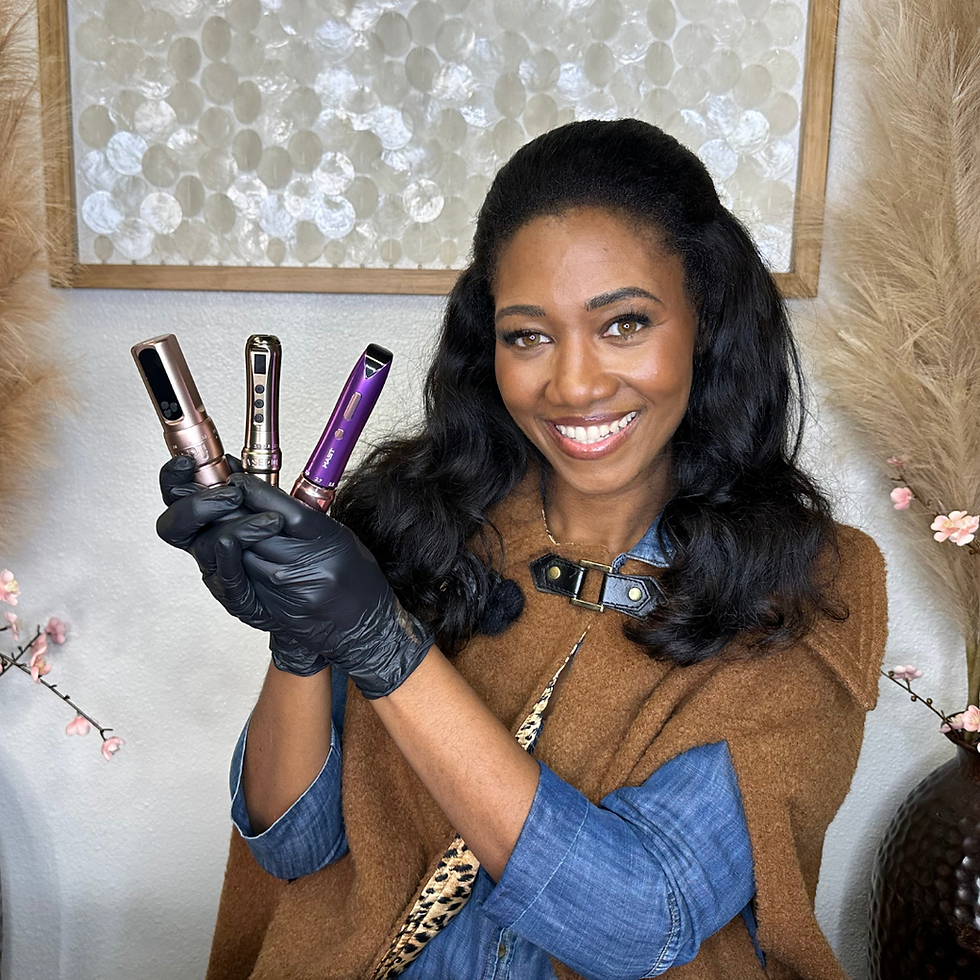
Another common mistake is focusing only on the feature list without thinking about real-world use. Specs matter, but performance matters more. The better questions are whether the machine feels stable, whether it helps you stay in control, whether it supports your style of work, and whether it helps you maintain a higher standard in actual appointments.
The last mistake is assuming every struggle is a technique problem. Yes, artists should keep improving their skill. But sometimes the machine is part of the issue. If the tool is working against you, it can slow your growth without you even realizing it at first.
Why the Zola Halo stands out as a preferred PMU machine
If I am talking about a preferred PMU machine of choice, the Zola Halo deserves real attention because its positioning is tied to performance, not empty noise. On the MooreBeautyLove page, the Zola Halo is described as a machine built for precision across services, designed for excellent healed results, and created to support skilled technique with control, consistency, and respectful performance.

The Zola Halo focuses on the partnership between the artist and the tool, because great results do not come from tools alone or technique alone, but from skilled artists supported by intentional, well-designed tools.
The Zola Halo highlights precision at low voltage, control across skin types, adaptability across services, and consistency from first pass to healed results. It also lists an exclusive 2.75 stroke length developed specifically by Maya Moore and has six adjustable stroke options, a 2-volt working range, wireless operation with up to 4 hours of runtime, and RCA compatibility. These unique custom features allow for the best chance for the ultimate healed results for any artist at any skill level.
Why “best” should be about standards, not trends
The best PMU machine is not the one making the most noise. It is the one that matches your standards. It should help you work with more confidence, more consistency, and more precision across the services you actually offer. It should support your growth, not create more friction in your services.
This is why the Zola Halo sets a new standard. It's not designed to chase trends, win spec wars, or appeal to everyone. It's positioned as a machine for artists who care about healed results, control over force, and tools that rise to their level.
How to tell if your current PMU machine is holding you back
Sometimes the signs are obvious. Your machine may feel unstable, hard to control, or tiring to work with. It may interrupt your rhythm, make detailed work feel harder than it should, or leave you constantly adjusting instead of flowing through the service.
Sometimes the signs are quieter. You may notice that you do not fully trust the machine in your hand. You may find yourself hesitating more, overworking areas, or feeling like your setup no longer matches the level of work you are trying to produce. That is often a sign the machine is no longer the right fit for where you are going.
Final thoughts
So what is the best PMU machine? The best PMU machine is the one that helps you work with precision, consistency, comfort, and control while supporting the results you want your name attached to. It should feel like a real extension of your technique, not a distraction from it.
For artists looking for a machine that is built around those standards, the Zola Halo stands out as a preferred option because of how it is positioned around low-voltage precision, adaptable stroke control, versatility across services, and performance tied to healed results.
At the end of the day, the best machine is not just the one with the loudest marketing. It is the one that helps you produce beautiful work with more intention, more confidence, and more respect for the craft.
Summary of FAQ
In summary here are a few FAQ's we hear a lot when artists are looking for a new PMU machine.
What is the best PMU machine?
The best PMU machine is one that gives artists precision, consistent performance, comfort in the hand, and enough versatility to support different services and skin types.
Is the Zola Halo a good PMU machine?
Based on the MooreBeautyLove product page, the Zola Halo is designed for precision at low voltage, control across skin types, adaptability across services, and consistency from first pass to healed results, which makes it a strong machine option for artists who value control and performance.
What should I look for in a permanent makeup machine?
Look for precision, stable performance, control, comfort, and features that support the services you actually perform most often.
Does a PMU machine affect healed results?
Yes. A machine does not create healed results by itself, but it affects how consistently and intentionally an artist can work during the appointment.
Should beginners and advanced artists use the same PMU machine?
Not always. Beginners usually benefit from a machine that helps them build control and consistency, while advanced artists may prioritize flexibility, service range, and more refined performance features. However, in some cases where there are PMU machines such as the Zola Halo that offers the ultimate flexibility, any level of artist can benefit.


This is so true I switched machines a few years ago purely based on hype and regretted it instantly. Control and comfort in the hand matter way more than what's trending online. women fringe jackets